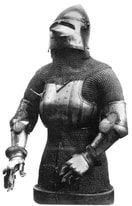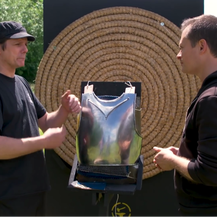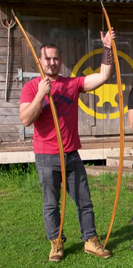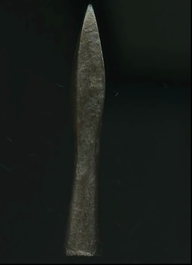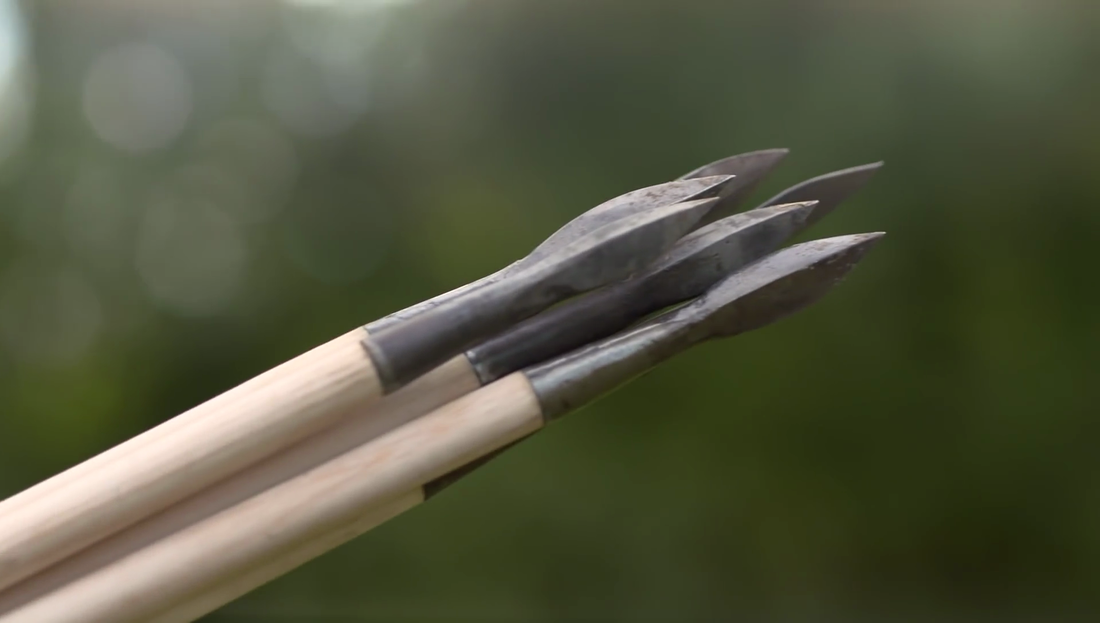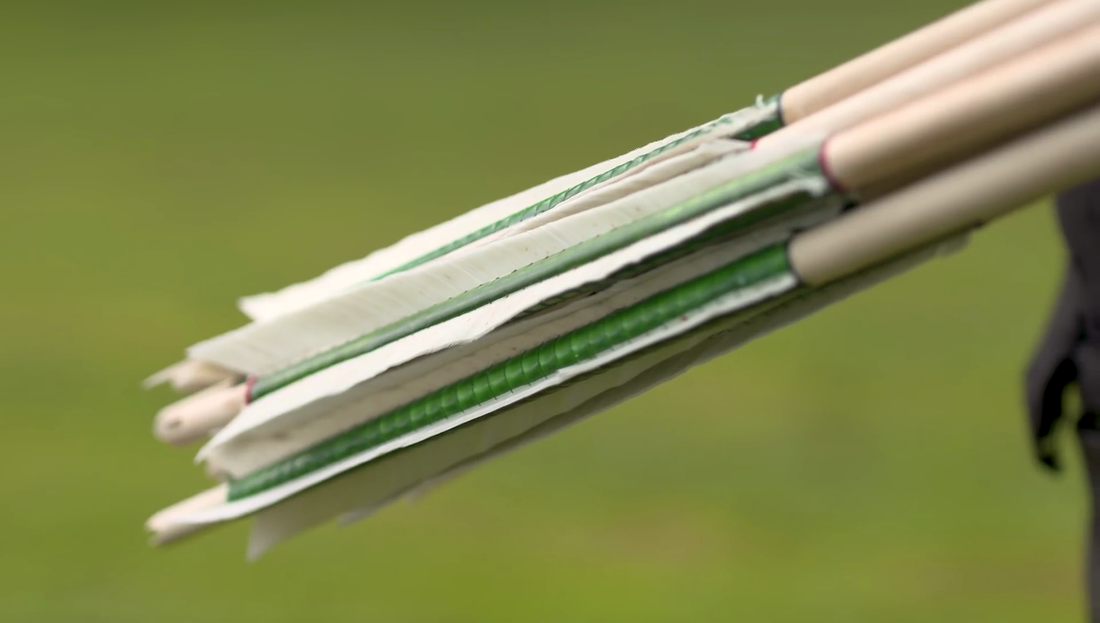
 IntroductionThe battle of Agincourt 1415 implanted the idea that it were the skillful English longbowmen that defeated the numerous well-armed French knights. We are led to believe that the longbow was a marvelous technological advance of this period that they could shoot powerful arrows that pierce through plate armor. 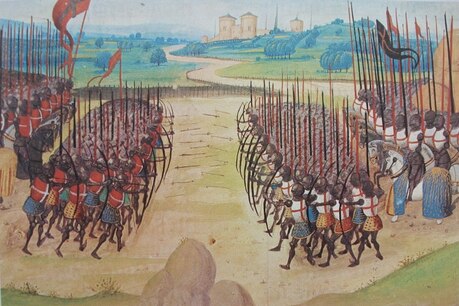 Battle of Agincourt 1415 Sometimes history is not what it really is, but what we want it to be. We understand past events in accordance to what we wish to be. We d over-zealously defend aspects that fit our beliefs and downplay other important aspects. While the longbow was the subject of popular myths and legends, the importance of the newly addition of plate armors was largely underappreciated. A few decades before the battle, the first plate armors were created to strengthen vulnerable body areas that were already protected by mail (chainmail, maille). Afterwards, it became very popular among European Knights due to its effectiveness even though this significant event was largely ignored by history enthusiasts. In 2019, Tod Todeschini gathered a group of world class in their fields of expertise, armour, arrows, shooting and historical context to debunk the myth of the longbows. It is proven that plate armor was very capable of protecting the wearer against the powerful longbow. The original video can be find here Set up the experiment
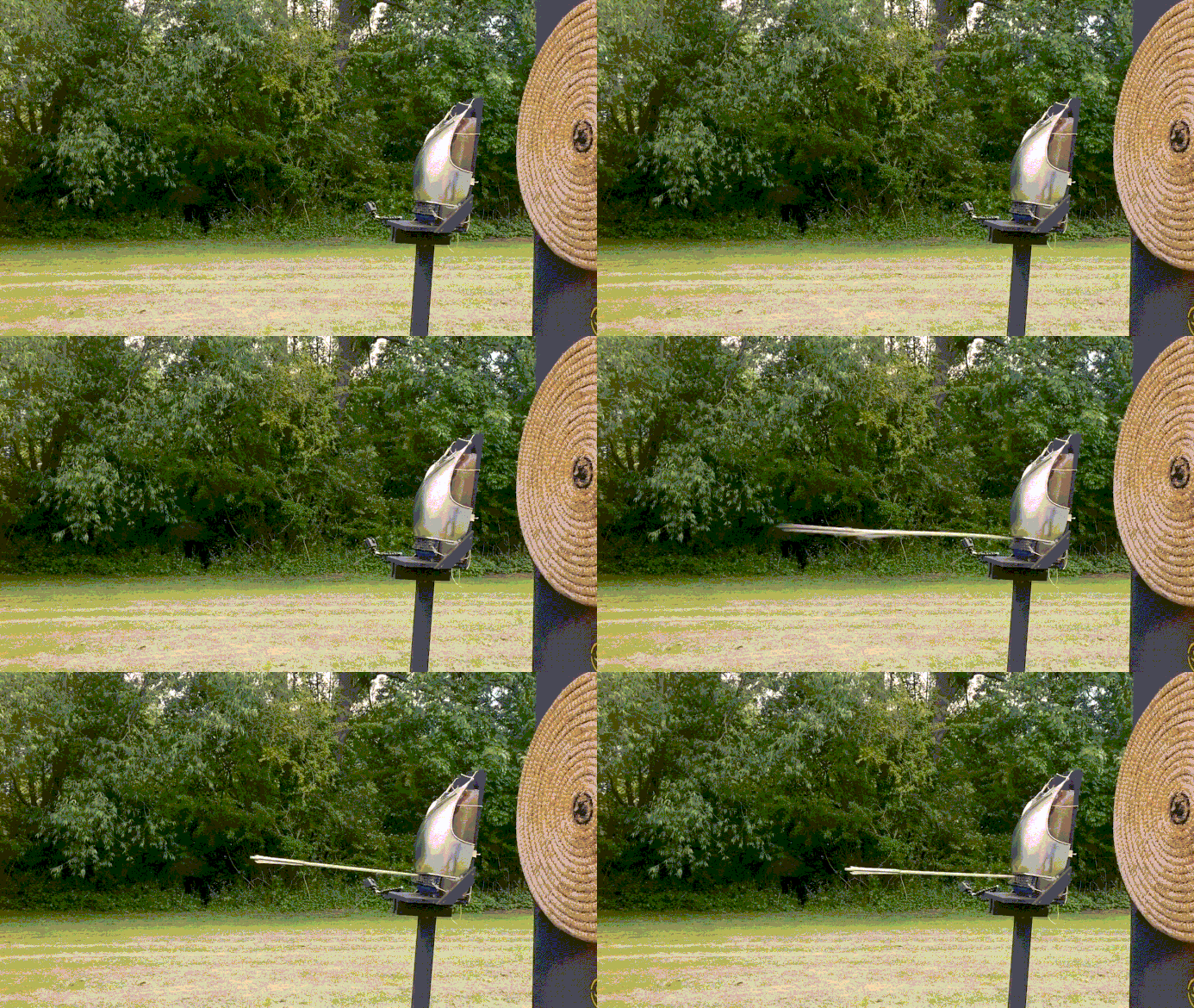
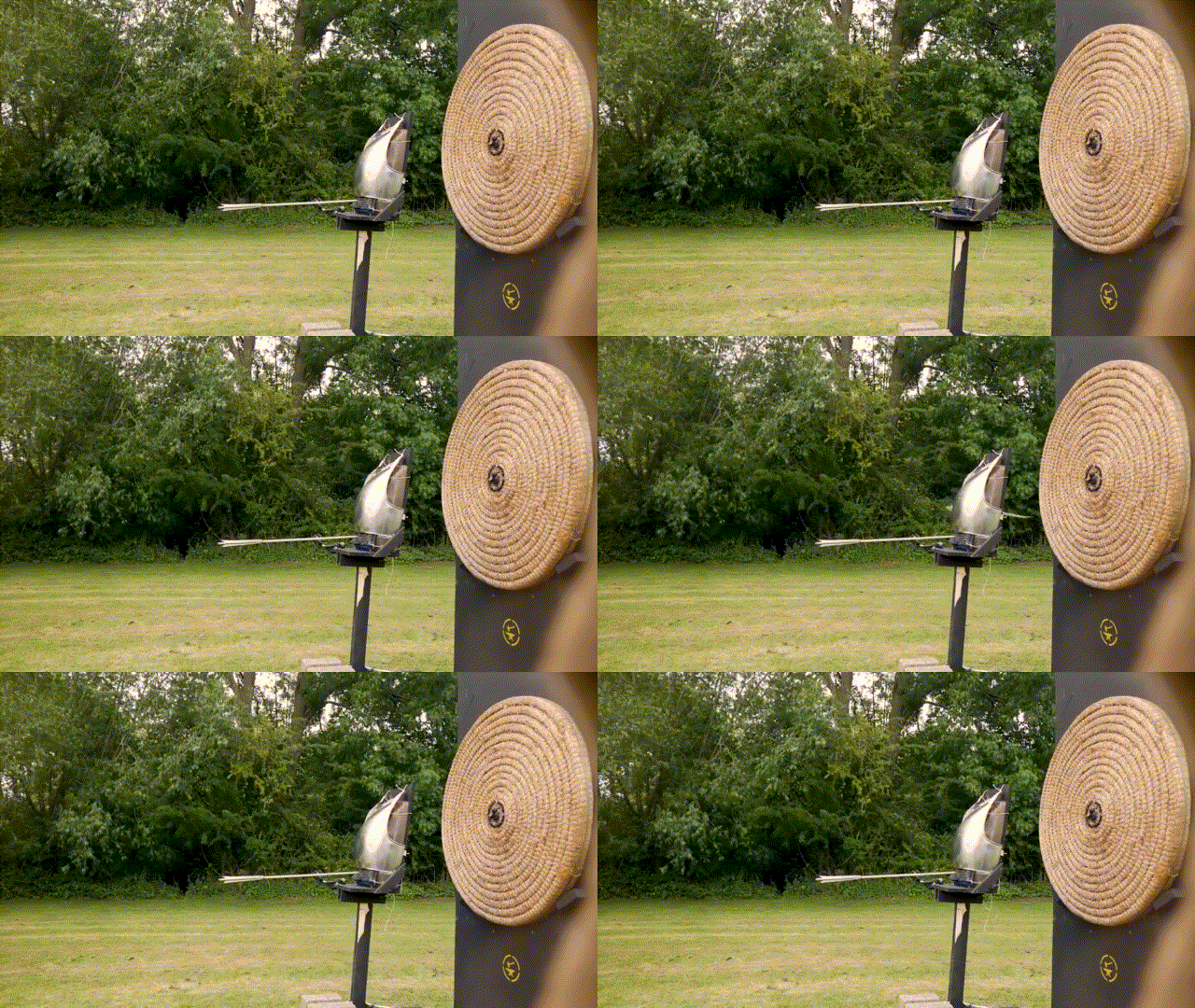
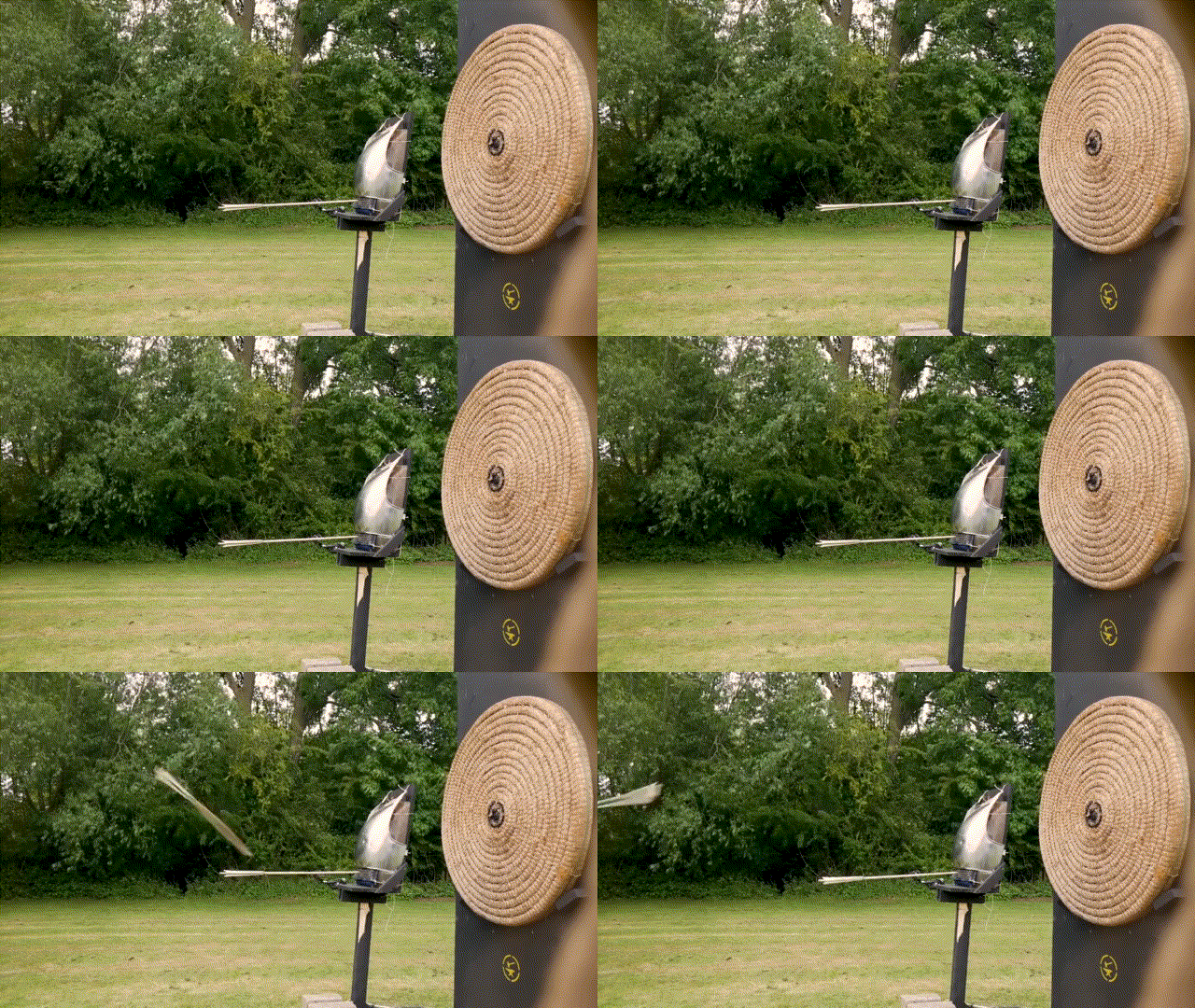
Observations and resultsExperiment 1: Wrought arrow, not hardened, 25 m
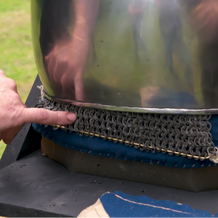
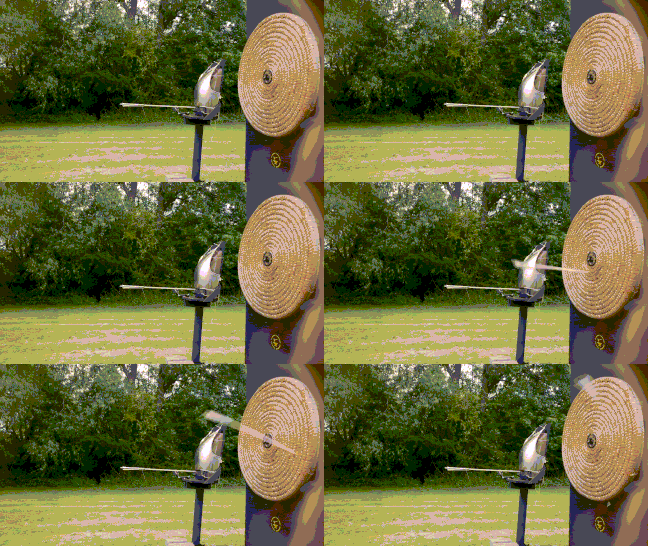
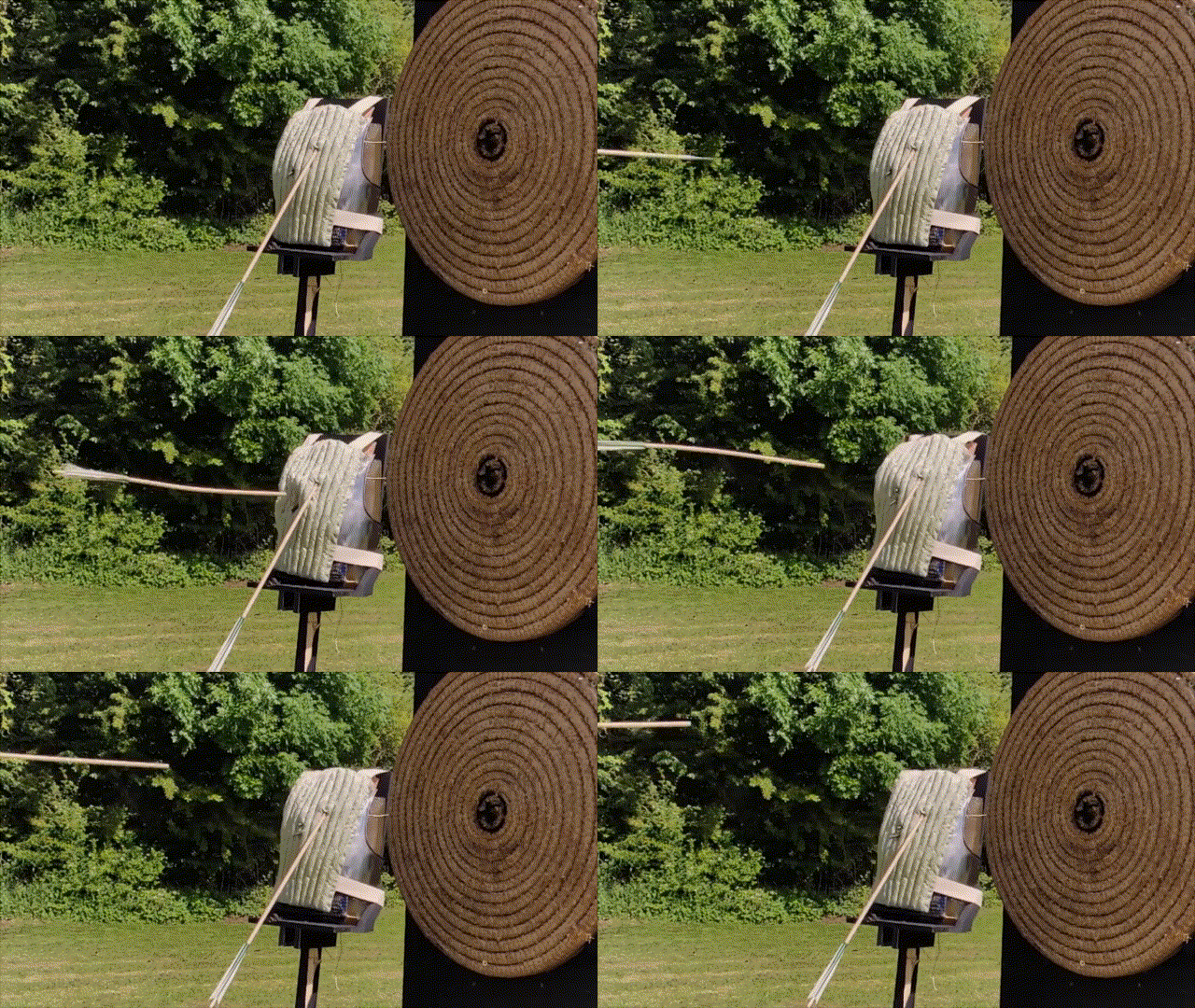
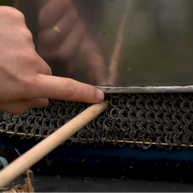
Observation: with the exception of the first arrow, none of the arrows ran through the armor. - The first arrow hit the low edge of the breastplate then skated to the mail area that was not protected by the plate. The first arrow pieced through the maille and the gamberson underneath. - The second and third arrow hit the plate hard, then were defected out the the breast plate Experiment 2: Wrought iron arrow, case-hardened 25m
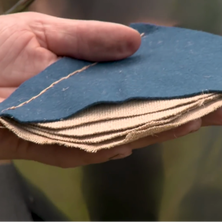
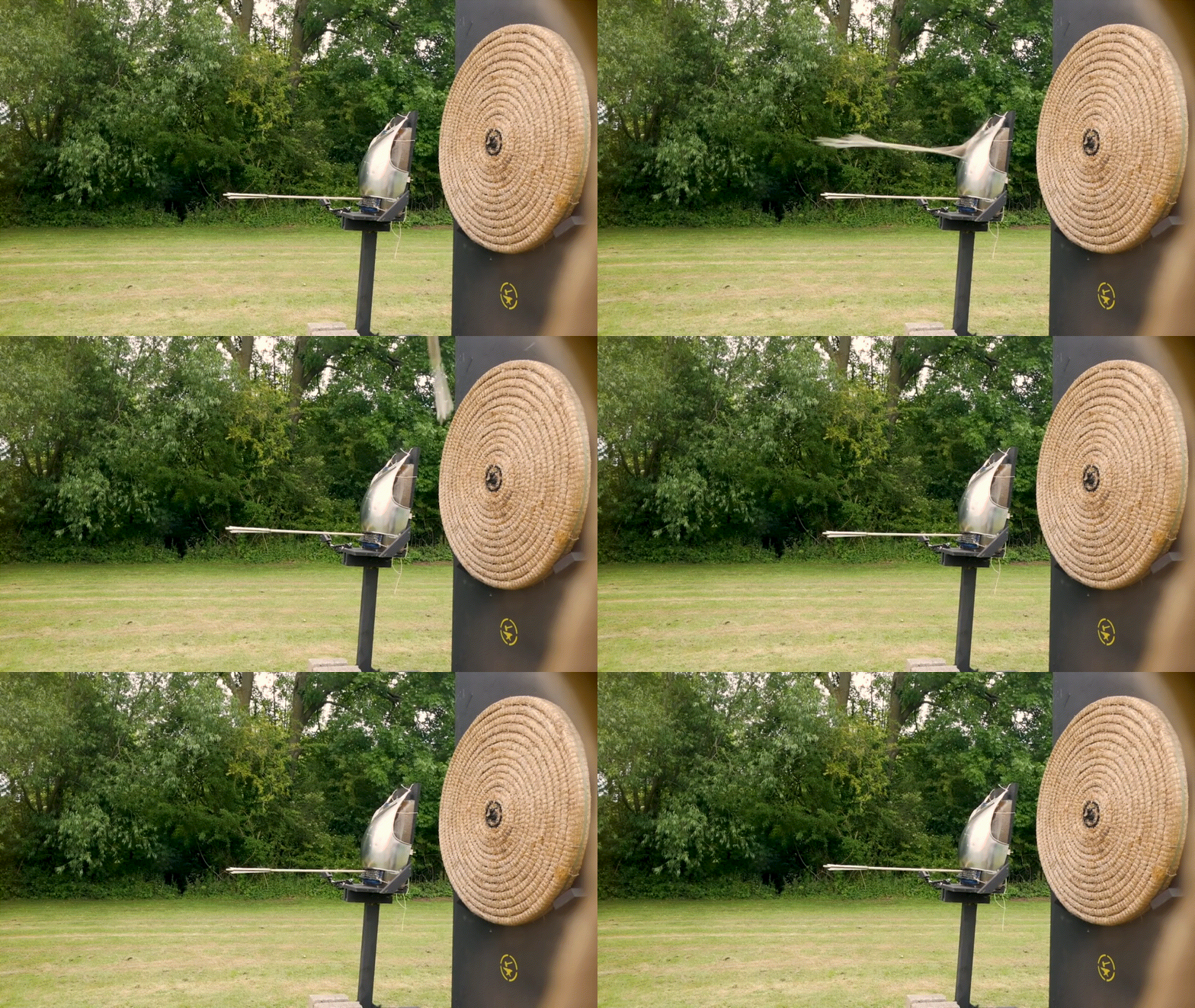
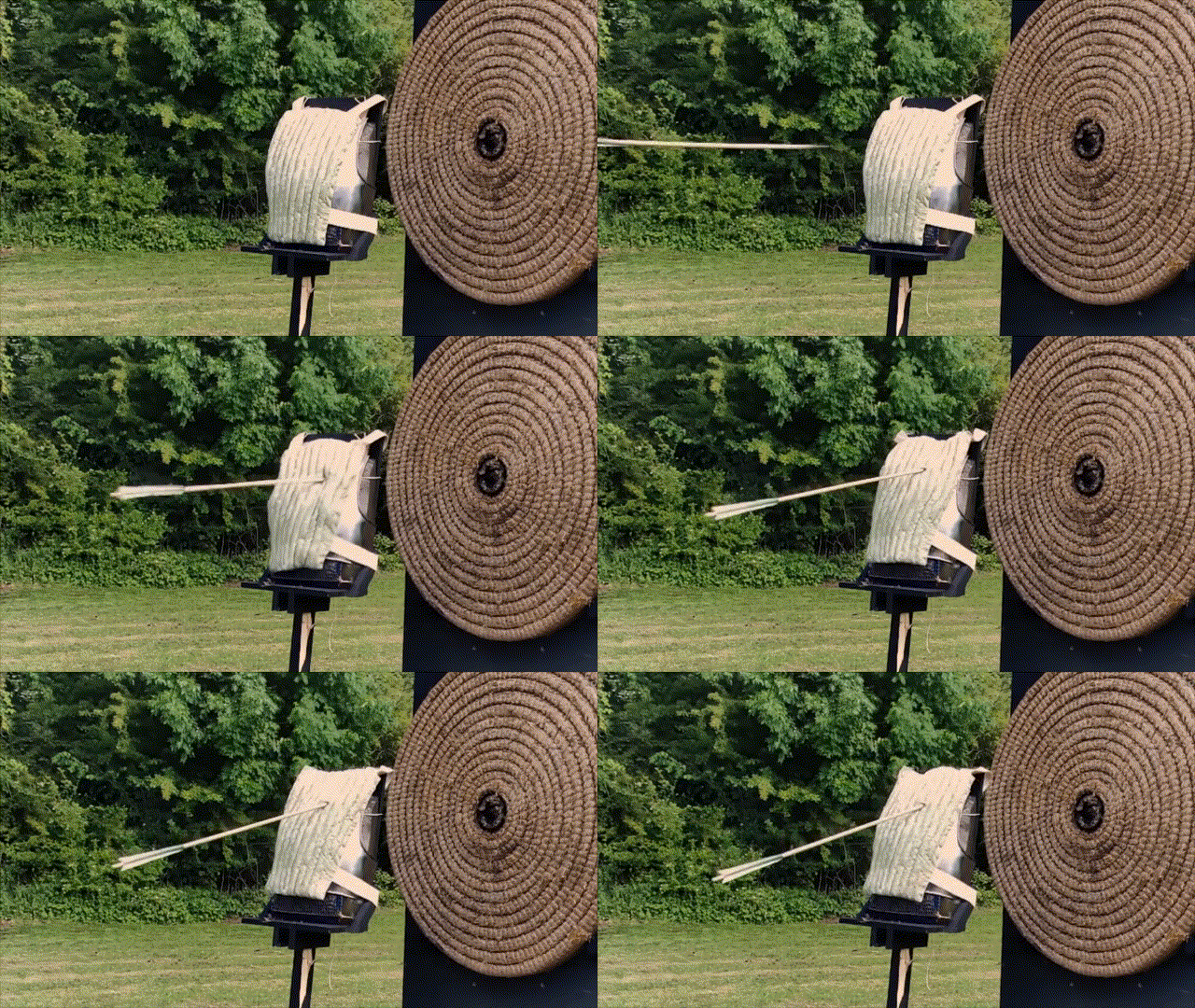
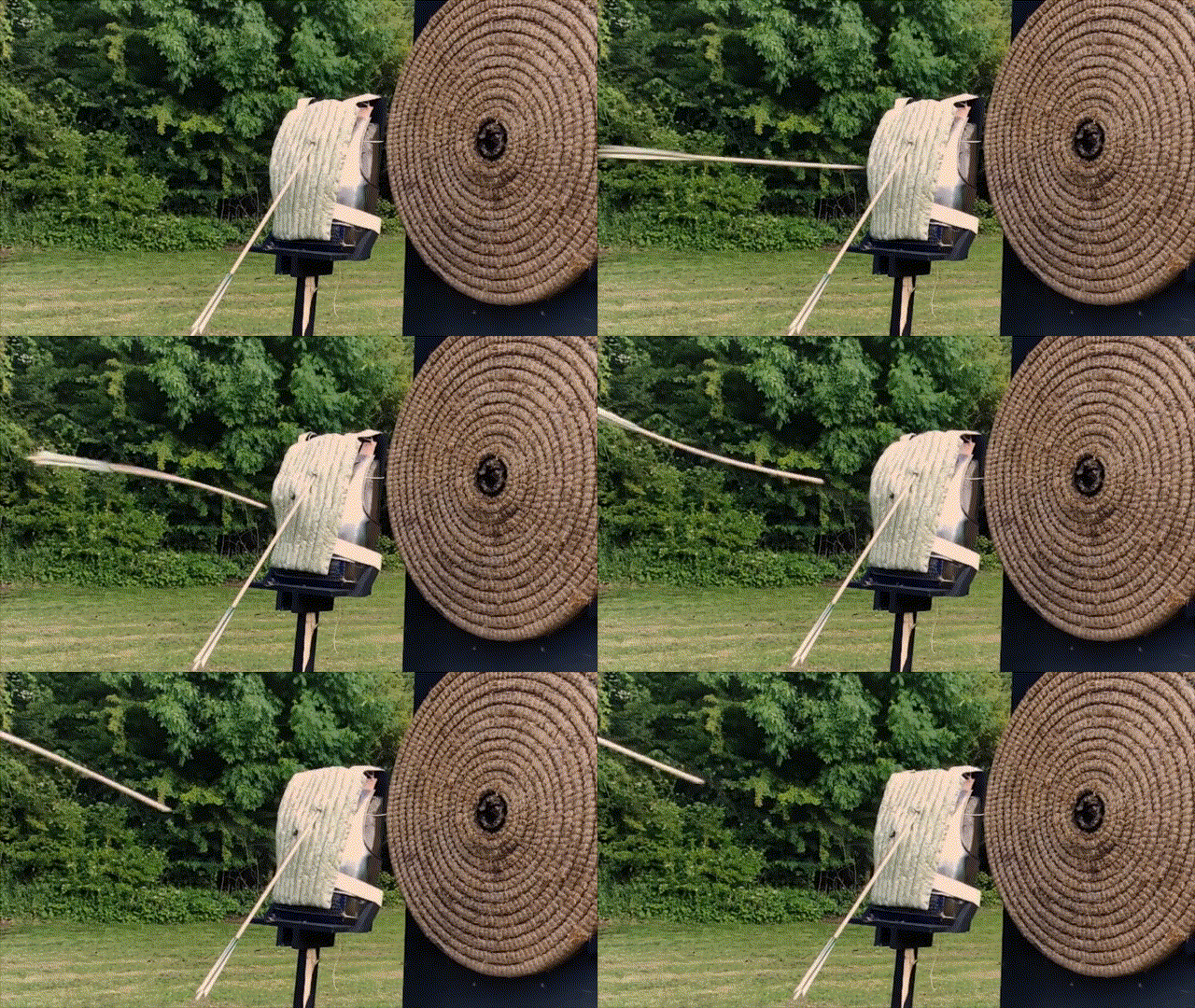
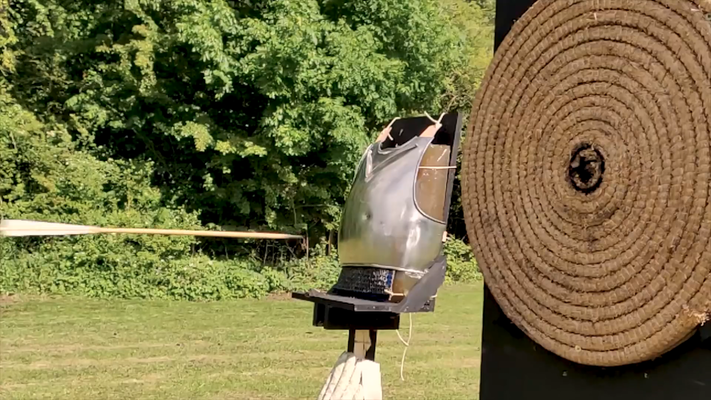
Observation: None of the wrought iron case-hardened arrow penetrated the breastplate. - The first arrow hit the breastplate hard to the point that the arrowhead was broken. - The second arrow was deflected by the breastplate - The final arrow hit the breastplate the hardest and was knocked back. There was a clear visible big dent on the plate. Experiment 3: Arrow to the Jupon over the breastplate French Knight in the period often wear a piece of fabric over the breastplate, called jupon. The jupon significantly altered the projectile of the arrow
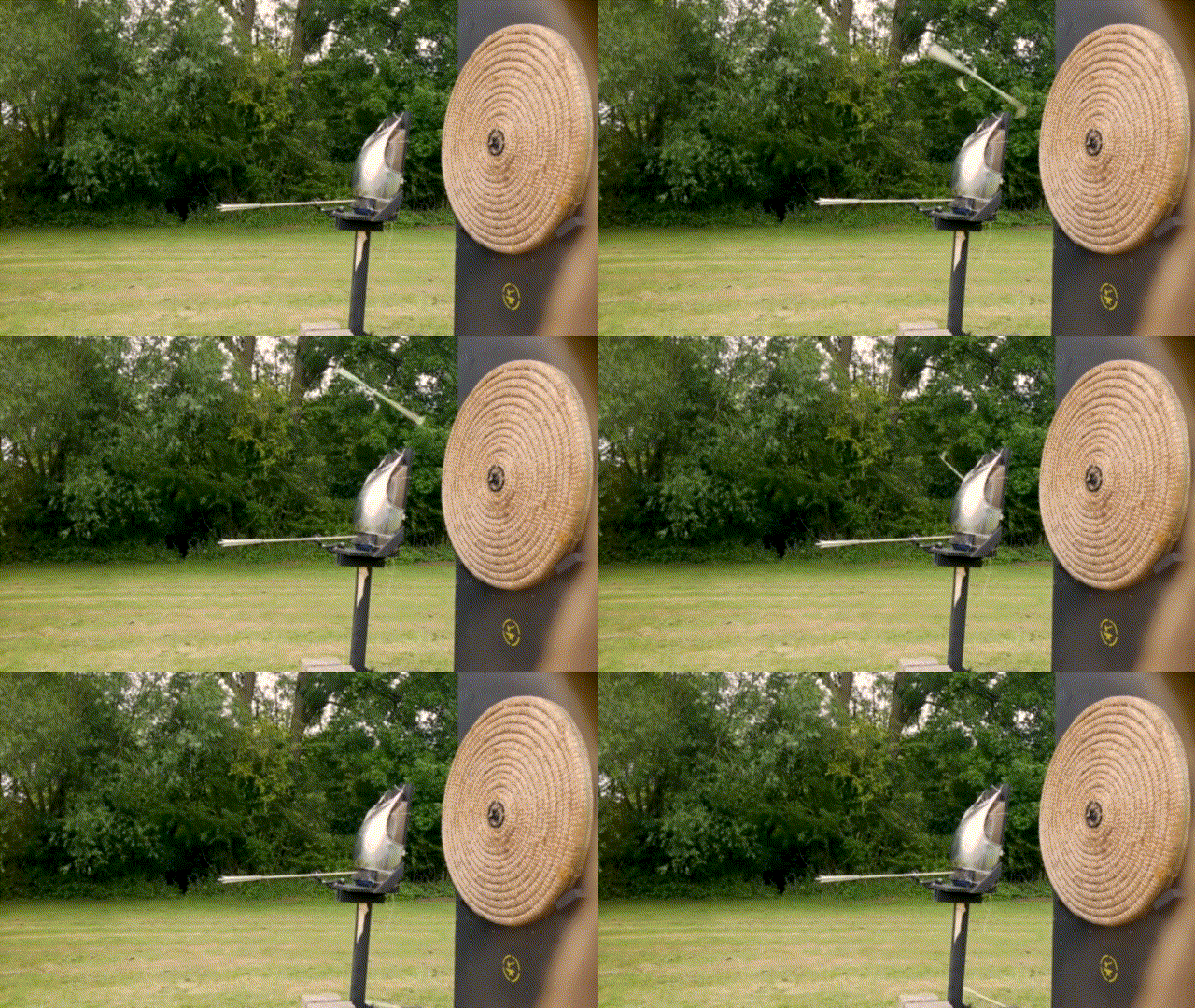
Observation: No arrow pierced through the breastplate. The jupon captured all the arrowheads - The first arrow hit the center of the breastplate, but did not go through the plate. The arrow was held in place by the jupon - The second and third hit the center hard enough to break the arrowheads. In both case, both the arrow shafts were knocked back, leaving the arrowhead in the jupon. Experiment 4: Modern Steel case-hardened Arrow head, Distance 10 m (best chance for penetrating breast plate) 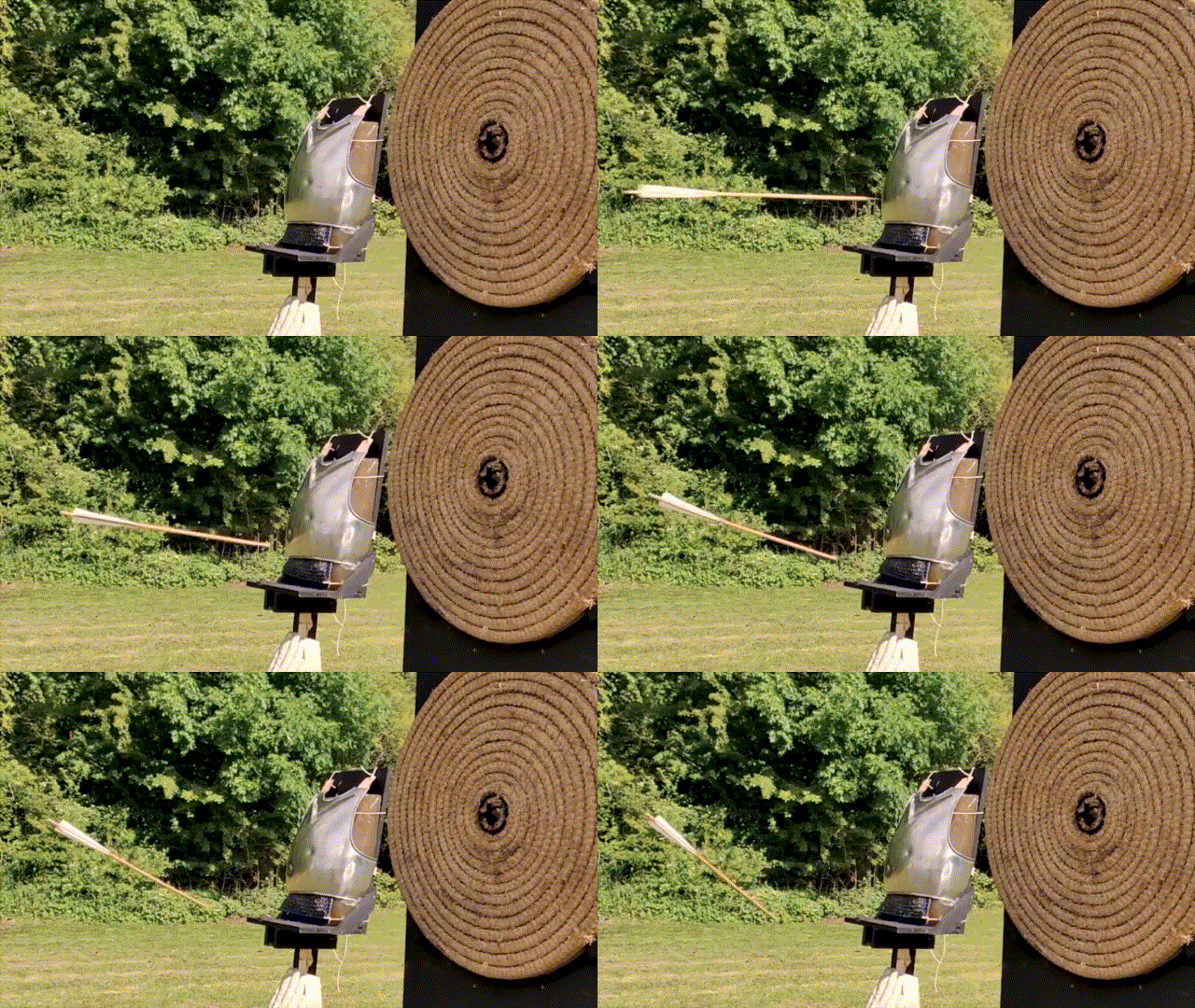 Observation: Not even the modern steel case-hardened arrow could punch through the armor. But it did leave the biggest dent on the breastplate. Conclusion:
Credits:
Dr Tobias Capwell - Arms and Armour Curator, The Wallace Collection Joe Gibbs - Archer and bowyer https://www.facebook.com/Hillbillybows/ Will Sherman - Fletcher – http://www.medievalarrows.co.uk Kevin Legg - Armourer - http://www.plessisarmouries.co.uk Chrissi Carnie - Fabric armour – http://www.thesempster.co.uk Tod Todeschini - Host - http://www.todsworkshop.com http://www.todcutler.com
1 Comment
|
Search by typing & pressing enter